
Category: Cybersecurity

  • Social Engineering Attacks: The Secret Behind Why They Work

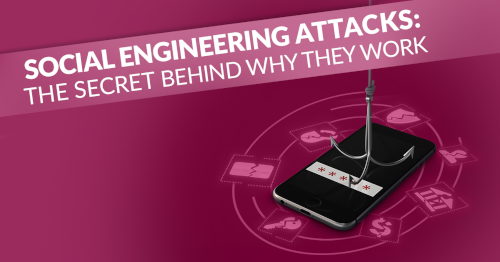
    Social Engineering Attacks: The Secret Behind Why They Work

    Cybercriminals don’t need to use brute force or write malicious code to break into your systems. All they need to do is target your people. That’s what social engineering is all about. It’s a method that relies on psychological manipulation to bypass technical safeguards to get inside your business and take harmful action.

    These attacks come in many forms. You might recognize terms like phishing, baiting and tailgating. Each one uses a slightly different approach, but the objective is the same: to manipulate someone’s response.

    The goal of this blog is to help you understand the psychology behind these attacks and show you how to protect your team before they become the next target.

    The psychology behind social engineering

    Social engineering succeeds because it targets human instincts. Humans are built to trust when nothing appears to be clearly suspicious. Attackers know this, and they use that knowledge to influence our behavior.

    Once that trust is triggered, they rely on a set of psychological techniques to push you to act:

    Authority: The attacker pretends to be someone in a position of power, such as your manager or finance head, and sends a request that feels urgent and non-negotiable. For example, a message might say, “Please transfer this amount before noon and confirm when complete.”

    Urgency: The message demands immediate action, making you feel that a delay will cause serious problems. You might see alerts like “Your account will be deactivated in 15 minutes” or “We need this approved right now.”

    Fear: A fear-inducing communication creates anxiety by threatening consequences. A typical message might claim your data has been breached and ask you to click a link to prevent further exposure.

    Greed: You are tempted by something that appears beneficial, such as a refund or a free incentive. A simple example would be an email that says, “Click here to claim your $50 cashback.”

    These techniques are not used at random. They’re tailored to seem like ordinary business communication. That’s what makes them difficult to spot—unless you know what to look for.

    Protecting yourself against social engineering

    You can start to defend your business against these attacks with clarity, consistency and simple protections that every member of your team understands and follows.

    Awareness and education: Train your employees to recognize social engineering tactics. Show them how attackers use urgency, authority and fear to manipulate responses. Familiarity is the first step toward better decision-making.

    Best practices: Reinforce security basics in your day-to-day operations. Employees should avoid clicking suspicious links, opening unknown attachments or responding to unexpected requests for information.

    Verify requests: Never act on a request involving sensitive data, money or credentials unless it has been verified through an independent and trusted channel. This could be a phone call to a known number or a direct conversation with the requester.

    Slow down: Encourage your team to pause before responding to any message that feels urgent or out of the ordinary. A short delay often brings clarity and prevents a rushed mistake.

    Use multi-factor authentication (MFA): Add an extra layer of protection by requiring a second form of verification. Even if a password is stolen, MFA helps prevent unauthorized access to your systems.

    Report suspicious activity: Make it easy for employees to report anything unusual. Whether it’s a strange email or an unfamiliar caller, early alerts can stop an attack before it spreads.

    When applied together, these actions strengthen your business’s defenses. They take little time to implement and have a high impact on risk reduction.

    Take action before the next attempt

    Your next step is to put what you’ve learned into practice. Begin by applying the strategies above and stay alert to any unusual attempts.
    If you want support implementing these protections, an IT service provider like us can help. Contact us for a no-obligation consultation to review your current cybersecurity approach, strengthen your defenses and ensure that your business is prepared for the threats that are designed to look like business as usual.
  • What Small Business Owners Need to Know About Email Spoofing

    What Small Business Owners Need to Know About Email Spoofing

    In today’s digital world, email remains the top method cybercriminals use to target businesses—and one of their most effective tactics is email spoofing. Email spoofing occurs when a bad actor forges the sender address on an email to make it look like it’s coming from a trusted source. This could be a vendor, a customer, or even someone inside your own organization. The goal? Trick you or your employees into taking an action, like clicking a malicious link or transferring funds to a fraudulent account.

    Email spoofing is often the first step in a phishing attack, which is a broader scam that uses social engineering to deceive recipients into revealing sensitive information, downloading malware, or authorizing fraudulent transactions. According to the FBI’s Internet Crime Complaint Center (IC3), phishing was the most common type of cybercrime in 2023, with over 298,000 complaints filed and losses exceeding $2.9 billion. Spoofed emails are convincing because they can bypass basic spam filters and appear to come from a legitimate domain—unless more advanced protections are in place.

    Recognizing a spoofed email can be tricky, but there are telltale signs to look for. Watch for inconsistencies in the sender’s email address—hover over the name to see the actual address it came from. Be suspicious of urgent requests, especially those involving financial transactions or password changes. Poor grammar, unusual phrasing, or unexpected attachments are also red flags. If the email claims to be from someone you know but seems out of character, trust your instincts and verify the message through another communication channel. Always encourage your employees to “think before they click.”

    Unfortunately, many small businesses underestimate how vulnerable they are. Cybercriminals often assume that small organizations lack robust cybersecurity defenses, and they’re not wrong. A 2025 study by Verizon found that small businesses are being targeted 4 times more than large organizations Without the right tools, it’s nearly impossible to detect spoofed emails before the damage is done. That’s why it’s critical to implement an email security posture—a layered approach to defending against phishing, spoofing, and other email-borne threats.

    This is where partnering with a Technology Solutions Provider (TSP) like NTELogic makes all the difference. NTELogic helps small businesses identify vulnerabilities and implement best practices such as SPF, DKIM, and DMARC—email authentication protocols designed to prevent spoofing. We also provide advanced threat detection, user training, and real-time monitoring to safeguard your business.

    Cybersecurity isn’t a one-time setup—it’s an ongoing process. By working with experts like NTELogic, you can stay ahead of evolving threats and ensure that your email systems are not the weakest link. Don’t wait until a spoofed email becomes a costly lesson. Contact us today to learn how we can strengthen your cybersecurity posture and protect what matters most—your business.


  • Protecting Your Business: A Guide to Modern Cybersecurity Strategies

    In an era where digital threats loom large, the security of your business’s digital assets is paramount. Cybersecurity is no longer a luxury but a necessity for businesses aiming to protect their data and maintain trust with clients. As cyber threats become more sophisticated, businesses must adopt comprehensive strategies to safeguard their operations. This article highlights essential strategies that can help businesses fortify their defenses against the ever-evolving landscape of cyber threats.

    Conduct Effective Data Backups

    Safeguarding your business through reliable data backups is crucial. With the rise of cyber threats, it’s essential to ensure your backup processes are both secure and efficient. Implementing strong encryption for data both in transit and at rest, along with multi-factor authentication, can significantly reduce unauthorized access risks. Regularly testing and validating your backups is critical to ensure data recovery is possible when needed. Consider conducting periodic drills and simulations to identify and address any weaknesses in your backup strategy. By automating backup processes and exploring cloud-based solutions, you can integrate data protection into your daily operations, ensuring your data remains safe and recoverable.

    Implement Regular Audits

    Engaging cybersecurity experts to perform audits can be a game-changer for your organization. These professionals offer an unbiased review of your security measures, pinpointing weaknesses and ensuring you meet industry standards. By partnering with experts, you gain access to their vast auditing expertise, which not only helps in identifying potential risks but also in refining your data protection strategies. Regular audits can significantly enhance your security posture, boosting trust and confidence among your clients and stakeholders. Investing in such expertise is about more than just compliance; it’s about proactively securing your business’s future in a landscape where new threats are constantly emerging.

    Establish Strict Access Control

    Implementing effective access control measures is a key strategy to ensure data security. Access control defines who can view or interact with resources in a digital environment, thereby minimizing the risk of unauthorized access. By centralizing access management, you can efficiently monitor user activities and data flows, which not only guards against data breaches but also helps in complying with data protection regulations. As technology advances, moving from traditional single sign-on systems to unified access management can offer comprehensive security across both on-premises and cloud platforms. This transition is crucial for maintaining robust security in dynamic IT environments.

    Grow Your Cybersecurity Skills

    Enrolling in online courses can significantly enhance your understanding of digital security and equip you with practical skills to protect your business. These courses often cover topics such as identifying threats, implementing defenses, and maintaining compliance with data protection regulations. Recognizing the importance of cybersecurity programs is vital for safeguarding sensitive information and ensuring your business remains resilient against attacks. Virtual learning platforms also offer the flexibility to balance professional development with the demands of running your business, making it easier to stay informed without compromising your daily responsibilities.

    Leverage AI

    In the ever-evolving digital world, integrating AI into your cybersecurity strategy is essential for protecting your business. Traditional security methods often struggle with the sheer volume of data in complex environments, but AI stands out by efficiently processing and analyzing vast datasets from multiple sources. This capability enables AI to detect subtle threat indicators that might be overlooked by human analysts, ensuring a proactive defense. For example, AI can reduce the time to detect and respond to cyber threats, highlighting its effectiveness in managing security risks.

    Understand Malware for Better Security

    It’s essential to understand the different types of malware and their tactics. Malware, including viruses, spyware, trojans, and ransomware, can compromise your devices in various ways. For example, spyware discreetly monitors your activities, often through browser extensions, while ransomware encrypts your data, demanding payment for its release, typically in cryptocurrencies like Bitcoin. By understanding these threats, you can implement targeted defenses, such as maintaining updated backups and using reliable antivirus software. Staying informed about these threats significantly reduces the risk of cyberattacks, empowering you to safeguard your business effectively.

    Embrace Encryption

    Encryption software is a key player in protecting your business data. By transforming data into a secure format, encryption ensures that only authorized users can access sensitive information, effectively preventing unauthorized access and potential breaches. This software integrates smoothly with existing systems, enhancing security without interrupting daily operations, which is vital for maintaining productivity. As your business grows, scalable encryption solutions can adapt to increased demands, ensuring that security measures evolve alongside your enterprise.

    Incorporating these cybersecurity strategies is vital for any business aiming to thrive in today’s digital landscape. By prioritizing education, adopting advanced technologies, and maintaining rigorous data protection protocols, businesses can not only shield themselves from threats but also foster a secure environment for growth. Stay vigilant and proactive to ensure your business remains resilient against the challenges of the digital age.

    Discover how NTELogic can transform your business with tailored technology solutions—visit NTELogic today to elevate your IT strategy and secure your future success!