
Category: Security

  • Risk Assessments: Your Business’s Pitstop for Growth and Security

    Running a business is like being in the driver’s seat of a high-performance car. It’s fast-paced, competitive and full of passion. But even the best racecars can’t go far without regular pitstops.

    Skipping those important checks is like failing to assess the security risks in your business. You may initially save time, but at what cost?

    Risk assessments are important for identifying risks and maintaining asset safety and efficiency to keep your business at its peak. Without them, you leave your business vulnerable.

    How risk assessments keep your business running smoothly

    Regular risk assessments help you in a lot of ways:

    1. Spot vulnerabilities before they derail you
    A slight oversight during a race can leave you in the back of the pack. Similarly, unseen risks in business, whether related to cybersecurity, operations or physical security, can have serious consequences. Risk assessments help detect these problems before they turn into major disasters.

    2. Protect your most valuable assets
    Your car’s engine, fuel and wheels are its lifeblood. Lose one, and you’re out of the running.

    Your business’s lifeblood is its data, infrastructure and people. Risk assessments give you the chance to protect against cyberattacks, breaches or operational failures that could bring your operations to a standstill.

    3. Stay within the rules of the road
    Following the rules of the race keeps you on track. Failure to comply leads to penalties. In the same way, companies must comply with regulations such as GDPR or HIPAA. Regular risk assessments help you meet compliance standards, avoid hefty fines and maintain your reputation as a responsible and trusted organization.

    4. Make smarter, faster decisions
    A finely tuned racecar empowers you to go with the best racing strategy confidently. Risk assessments do the same for your business. With knowledge of potential threats, you can make informed strategic decisions and ensure you are always ahead of the curve.

    5. Boost your operational efficiency
    The smoother the car runs, the easier it is to handle. The same goes for your business. By identifying inefficiencies and weaknesses, risk assessments help you streamline operations, reduce downtime and improve overall performance. This, in turn, creates a more resilient, cost-effective business model.

    6. Build confidence with every turn
    A well-maintained car builds trust between the driver and the team. Continuous risk assessments help build the confidence of your customers, investors and partners. Your proactiveness will be counted as proof of your long-term vision and readiness to test your limits.

    7. Pave the way for growth
    In racing, your confidence in the reliability of your car can push you to victory. Similarly, if risks are properly managed, you can focus on growing your business, expanding into new markets and seizing opportunities, knowing that potential risks are under control.

    Is your business ready for a pitstop?

    Your business can’t thrive without regular assessments to recalibrate and protect what matters the most. Risk assessments give you an advantage, ensuring you are prepared for whatever comes next.

    Don’t wait for a crisis to slow you down. Reach out today! Let’s create a customized risk assessment strategy to move your business forward.

  • Don’t Get Hooked: Understanding and Preventing Phishing Scams

    Imagine starting your day with a cup of coffee, ready to tackle your to-do list, when an email that appears to be from a trusted partner lands in your inbox. It looks legitimate, but hidden within is a phishing trap set by cybercriminals.

    This scenario is becoming all too common for businesses, both big and small.

    Phishing scams are evolving and becoming more sophisticated with every passing day. As a decision-maker, it’s crucial to understand these threats and debunk common myths to protect your business effectively.

    The most popular phishing myth

    Many people believe phishing scams are easy to identify, thinking they can spot them due to poor grammar, suspicious links or blatant requests for personal information.

    However, this is far from the truth. Modern phishing attacks have become highly complicated, making them difficult to detect. Cybercriminals now use advanced techniques like AI to create emails, websites and messages that closely mimic legitimate communications from trusted sources.

    Most phishing attempts today look authentic, using logos, branding and language that resemble those of reputable companies or persons. This level of deception means that even well-trained individuals can fall victim to cleverly disguised phishing attempts.

    Different types of phishing scams

    Phishing scams come in various forms, each exploiting different vulnerabilities. Understanding the most common types can help you better protect your business:

    1. Email phishing: The most common type, in which cybercriminals send emails that appear to be from legitimate sources, such as banks or well-known companies. These emails often contain links to fake websites, which they use to steal sensitive information.
    2. Spear phishing: Targets specific individuals or organizations. Attackers gather information about their targets to create personalized and convincing messages, making it particularly dangerous since it can bypass traditional security measures.
    3. Whaling: A type of spear phishing that targets high-profile individuals like CEOs and executives. The goal is to trick these individuals into revealing sensitive information or authorizing financial transactions.
    4. Smishing: A social engineering attack that involves sending phishing messages via SMS or text. These messages often contain links to malicious websites or ask recipients to call a phone number, prompting them to provide personal information.
    5. Vishing: Involves phone calls from attackers posing as legitimate entities, such as banks or tech support, asking for sensitive information over the phone.
    6. Clone phishing: Attackers duplicate a legitimate email you’ve previously received, replacing links or attachments with malicious ones. This tactic exploits trust, making it hard to differentiate fake email from genuine communication.
    7. QR code phishing: Cybercriminals use QR codes to direct victims to malicious websites. These codes often appear on flyers, posters or email attachments. When scanned, the QR codes take you to a phishing site.
     
    Protecting your business from phishing scams

    To safeguard your business from phishing scams, follow these practical steps:

    • Train employees regularly to recognize the latest phishing attempts and conduct simulated exercises.
    • Implement advanced email filtering solutions to detect and block phishing emails.
    • Use multi-factor authentication (MFA) on all accounts to add an extra layer of security.
    • Keep software and systems up to date with the latest security patches.
    • Utilize firewalls, antivirus software and intrusion detection systems to protect against unauthorized access.
     
    Collaborate for success

    By now, it’s clear that phishing scams are constantly evolving, and staying ahead of these threats requires continuous effort and vigilance. If you want to learn more about protecting your business from phishing and other cyberthreats, get in touch with us.

    Our team is here to help you strategically ramp up your cybersecurity measures. Together, we can create a safer digital environment for your business. Don’t hesitate. Send us a message now!
  • Protect Your Business from Within: Defending Against Insider Threats

    You might be thinking that you’ve done everything to protect your business from cyberthreats. You have the most advanced security solutions to defend against external threats, but are you equally protected against internal threats?

    Knowingly or unknowingly, your employees, your vendors, your partners and even you could pose a threat to your business. That’s why it’s crucial to know how to protect your business from within. In this blog, we’ll discuss various internal threats, how to identify red flags, and most importantly, how to avoid them.

    Common insider threats

    There are various types of insider threats, each with its own set of risks.

    Here are some common threats:

    1. Data theft: An employee or someone who is part of the organization downloads or leaks sensitive data for personal gain or malicious purposes. Physically stealing company devices containing privileged information or digitally copying them are both considered data theft.
      Example: An employee of a leading healthcare service provider downloads and sells protected patient information on the dark web.
    2. Sabotage: A disgruntled employee, an activist or somebody working for your competitor deliberately damages, disrupts or destroys your organization by deleting important files, infecting an organization’s devices or locking a business out of crucial systems by changing passwords.
      Example: A disgruntled employee of a coffee shop deliberately tampers with the machine, causing malfunction and loss of business.
    3. Unauthorized access: This is essentially a breach of security when malicious actors such as hackers or disgruntled employees gain access to business-critical information. However, individuals can mistakenly access sensitive data unknowingly, too.
      Example: A malicious employee uses their login credentials to access privileged information and then leaks it to competitors.
    4. Negligence & error: Both negligence and error lead to insider threats that can pose a security risk. While errors can be reduced through training, dealing with negligence would require a stricter level of enforcement.
      Example: An employee might click on a malicious link and download malware, or they might misplace a laptop containing sensitive data. In both cases, the company data is compromised.
    5. Credential sharing: Think of credential sharing as handing over the keys to your house to a friend. You can’t predict what they will do with it. They might just take some sugar or they might use your home for hosting a party. Similarly, sharing your confidential password with colleagues or friends throws up a lot of possibilities, including an increased risk of exposing your business to a cyberattack.
      Example: An employee uses a friend’s laptop to access their work email. They then forget to sign off and that personal laptop gets hacked. The hacker now has access to the company’s confidential information.
     
    Spot the red flags

    It’s crucial to identify insider threats early on. Keep an eye out for these tell-tale signs:

    • Unusual access patterns: An employee suddenly begins accessing confidential company information that is not relevant to their job.
    • Excessive data transfers: An employee suddenly starts downloading a large volume of customer data and transfers it onto a memory stick.
    • Authorization requests: Someone repeatedly requests access to business-critical information even though their job role doesn’t require it.
    • Use of unapproved devices: Accessing confidential data using personal laptops or devices.
    • Disabling security tools: Someone from your organization disables their antivirus or firewall.
    • Behavioral changes: An employee exhibits abnormal behaviors, such as suddenly missing deadlines or exhibiting signs of extreme stress.
     
    Enhance your defenses

    Here are our five steps to building a comprehensive cybersecurity framework that will ensure your business stays protected:

    1. Implement a strong password policy and encourage the use of multi-factor authentication wherever possible.
    2. Ensure employees can only access data and systems needed for their roles. Also, regularly review and update access privileges.
    3. Educate and train your employees on insider threats and security best practices.
    4. Back up your important data regularly to ensure you can recover from a data loss incident.
    5. Develop a comprehensive incident response plan that lays out the plan of action on how to respond to insider threat incidents.
     
    Don’t fight internal threats alone

    Protecting your business from insider threats can feel overwhelming, especially if you have to do it alone. That’s why you need an experienced partner. An IT service provider like us can help you implement comprehensive security measures.

    Let us help you safeguard your business from the inside out. Reach out and we’ll show you how to monitor for potential threats and respond effectively if an incident occurs.

  • Navigating the Risks of Rapid Tech Acceleration

    We live in a world where possibilities are endless. From automated cars ferrying passengers to AI systems carrying out surgeries, tech innovations are quickly taking over our lives. The world of business is no different. Machine learning, AI, robotics and automation tools promise an unparalleled level of business efficiency.

    Many businesses are rushing to embrace these innovations because they fear being left behind. However, the critical question is: Do you fully understand the technology, including its potential negative consequences?

    All evolving technologies come with underlying risks. In this blog, we’ll discuss the dangers of rapid tech acceleration. We’ll also show you how to develop a strategic approach to ensure your technology investments push your business forward while minimizing the associated risks.

    Potential risks of tech acceleration

    Here are some of the potential risks associated with rapid tech acceleration:

    Security vulnerabilities: Advanced technologies are still nascent and often come with several undetected security flaws. Hackers can exploit these weaknesses to steal your data or launch a cyberattack.

    Pro tip: Make security assessments a standard practice before implementing a new IT solution.

    Operational disruptions: Hastily implementing new technology can affect your day-to-day operations. Issues like system malfunction, data loss and employees struggling to adapt to new solutions can adversely impact your productivity and efficiency.

    Pro tip: It would be prudent to implement tech upgrades in phases. Testing it first within a small team will help you identify and fix issues without disrupting daily operations.

    Skill gaps: Using a new IT tool requires new skills. But if your team isn’t well trained, they won’t be able to leverage the latest technology effectively. Untrained teams are bound to make more mistakes, which could reduce overall productivity.

    Pro tip: Investing in employee training modules will ensure they have the knowledge and skills to leverage the new IT tool effectively.

    Vendor lock-in: The tech industry is constantly innovating. Committing to a vendor who doesn’t keep up with the changing times could prevent your business from achieving growth and success.

    Pro tip: An experienced IT partner can help you choose scalable solutions that seamlessly integrate with your current infrastructure.

    Ethical dilemmas: Evolving technologies such as AI or robotics can give your business a competitive edge, but do you understand the ethical risks surrounding these innovations? Ignoring the ethical use of AI can have a far-reaching impact on data privacy and business transparency.

    Pro tip: Develop guidelines for the ethical use of technologies. An internal ethical committee can help promote a culture of responsible technology use.

    Regulatory challenges: It’s critical to ensure your business isn’t breaking any laws while implementing a new IT solution. With new technologies, it can get tricky as there might not be a proper regulation in place, but you still could unknowingly end up attracting fines or penalties.

    Pro tip: Legal experts can help you better understand your responsibilities surrounding the new technology. Additionally, you can seek the help of a trusted IT service provider, who will always work harder to keep you out of legal trouble.

    Strategic misalignment: It’s easy to fall for the latest tech that’s creating buzz. But if your new IT solution doesn’t align with your goals, you would be wasting your time and money on something that holds your business back instead of propelling it forward.

    Pro tip: Choose a solution that empowers your team and creates efficiency. Have a well-defined goal and clear success metrics. Also, regularly monitor and evaluate to see if the new IT solution delivers the desired results. Make further adjustments as necessary.

    Unleash your growth potential

    Technology can help you take your business to new heights. However, not all IT solutions are created equal and can expose your business to security or financial risks. On the other hand, a trusted IT service provider can help you navigate the complexities effortlessly.

    Talk to us today and learn how we can guide you through the new tech implementation while minimizing disruptions and maximizing results.

  • Bay Area FasTrak Scam

    Did you get a text saying “California Tolls Services, our records indicate that your vehicle has an unpaid toll invoice. To avoid additional charges of $64.90, please settle your balance of $6.49 at https://bayareafastraktollservices.com”?   Be careful – it is a scam!

    Cash-free, electronic toll collection is commonplace on bridges and toll roads across California and the nation. This shift has created a new type of fraud. Cybersecurity experts call it “smishing,” phishing perpetrated through SMS text messages. The template is simple: Scammers posing as toll road operators Like Bay Area FasTrak claim the recipient owes money, and provide a link to a fake website.FasTrk scam smishing

    From the beginning of March to April 12, the FBI’s internet crime complaint center received more than 2,000 reports of texts from impostor road toll collection services nationwide. Written in “almost identical language,” these texts requested payment for outstanding toll debts in similar amounts, spokespeople for the bureau said in a statement.

    If (and when) you receive one of these smishing messages, simply delete it. If you have unfortunately fallen into the scam, contact your bank or credit card company right away and report the charges.

    FasTrak — the Bay Area’s road and bridge toll collector — does not keep people’s mobile numbers or communicate by text. Drivers with FasTrak accounts pay tolls electronically via transponders mounted on their windshields, or photographs snapped of their license plates as they pass through a toll lane. People without accounts receive invoices in the mail after cameras capture their license plates.

    You can read more about smishing and the steps you can take to avoid getting scammed at the FCC’s web page on how to Avoid the Temptation of Smishing Scams.

    Interested in learning how you improve your cyber-hygiene?? We can help! Our blog post Cybersecurity for Employees: Awareness Can Save You from a Breach is full of tips, and our Zero Trust Security Checklist will get you started.

  • Debunking Myths About AI in Cybersecurity

    AI has become a buzzword that often evokes a mix of awe, doubt and even fear, especially when it comes to cybersecurity. However, the fact is that if used effectively AI can revolutionize the way businesses like yours operate.

    That’s why you must cut through the noise and separate fact from fiction if you want to leverage AI effectively. In this blog, we’ll debunk some common misconceptions about AI in cybersecurity.

    Let’s dive in.

    AI in cybersecurity: Fact from fiction

    There’s a lot of misinformation surrounding AI in cybersecurity. Let’s dispel some of these common AI myths:

    Myth: AI is the cybersecurity silver bullet
    Fact: AI isn’t a one-size-fits-all solution for cybersecurity. While it can efficiently analyze data and detect threats, it’s not an easy fix for everything. You can use AI security solutions as part of a multi-pronged cybersecurity strategy to automate tasks, pinpoint complex threats and assist your IT security professionals.

    Myth: AI makes your business invincible
    Fact: Cybercriminals are always finding new ways to exploit your IT systems, and it’s only a matter of time before they discover ways to breach AI solutions as well. AI alone can’t protect your business. Think of AI as a top-notch security system that is made better through regular vulnerability updates and staff education.

    Myth: AI is a perfect tool and always knows what it’s doing
    Fact: Don’t trust all the marketing gimmicks around AI. Yes, AI security is indeed a “super cool” tool. But keep in mind that AI is still an evolving technology, and there’s much to be perfected. Some companies make loud claims about their AI security tools. An honest vendor, however, will tell you that AI is not magic. If you give it time, AI can learn and adapt on its own.

    Myth: AI does everything on its own
    Fact: AI doesn’t fly solo! While AI is great at sniffing out suspicious activities, it still requires human intervention. You can set the goals for AI, analyze what it finds and make the final call on security decisions. There are also times when AI can sound the alarm for no reason; that’s when you need the expertise of your security team to say, “False alarm!”

    Myth: AI is for big companies with deep pockets
    Fact: AI security solutions are now within reach for businesses of all sizes as they are becoming more affordable and easier to use. Moreover, the availability of cloud-based AI solutions means that businesses, regardless of their size, can leverage AI without breaking the bank.

    Empower your cybersecurity

    Fortify your business with the help of AI-powered cybersecurity solutions. Don’t do it alone. Get some expert help. Partner with an experienced IT service provider like us. Our IT experts can assist you in understanding your security needs, finding the perfect AI solutions for your business and ensuring they’re implemented effectively.

    Contact us today for a free consultation and learn how we can keep your business safe in the digital age.
  • How Cybercriminals Use AI to Power Their Attacks

    Managing a business on your own is challenging enough without worrying about cyberattacks. However, there is cause for alarm as hackers are using artificial intelligence (AI) to launch sophisticated cyberattacks to steal your data and disrupt business operations.

    The good news is there are steps you can take to protect your business. This blog will explain how AI is being used in cybercrime and how you can safeguard your business.

    How hackers use AI

    Here are some of the ways cybercriminals are exploiting AI:

    Deepfakes: Hackers use AI to create highly realistic fake videos or audio recordings to impersonate someone you know, like your boss or a trusted friend. These deepfakes can be used to trick you into sending money or sharing sensitive information.

    How to spot it: Closely look for details like unnatural facial movements or sloppy voice synchronization.

    AI-powered password cracking: With the help of AI, cybercriminals can effortlessly crack common and easy passwords. Hackers with access to advanced computation offered by AI can automate the breaching process, so they can try millions of combinations to guess your password.

    How to fight back: Always use unique passwords. Consider using a password manager.

    AI-assisted hacking: Hackers no longer have to spend hours looking for vulnerabilities. Instead, with the help of AI, they can create automated programs that not only identify weaknesses in your system but also create new types of malware.

    How to stay ahead: Keep your security systems and software updated. Also, a mandate should be set up to scan for vulnerabilities routinely.

    Supply chain attacks: Threat actors use AI to insert malicious code into legitimate vendor products, which eventually will compromise your system as well.

    How to protect yourself: Only download software from trusted sources. Always be vigilant with updates and patches.

    Boost your defenses

    AI-powered cybercrime is a growing threat. That’s why having a strong IT partner by your side can be the ultimate weapon in your arsenal. Partner with us to leverage advanced technology to fortify your defenses.

    Reach out to us today for a free consultation and learn how our team can secure your business against evolving cyber risks.

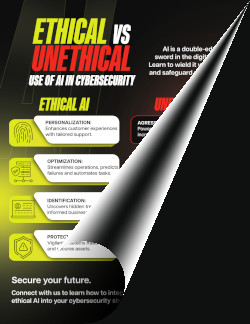
    AI is still a new technology, and to many businesses, it may feel like uncharted territory. That’s why we’ve created this free infographic that will shed light on how AI can be used both ethically and unethically.


      NTELogic has permission to contact me at the email address provided: YesNo

    • Did you know hardware and software expire too?

      We are all aware of the term “use by date.” It is regularly used when talking about food and medications and refers to the date after which the product is no longer safe to consume. However, did you know that your software and hardware can expire too?

      This is because technology is constantly evolving and advancing. What was once cutting-edge can become obsolete in the blink of an eye.

      While many people may not think twice about using outdated technology, it has security and privacy implications for your business. Obsolete technology is often less secure than newer versions because it doesn’t receive modern security features or patches from the manufacturer’s support team. This can leave your device and your data less impervious to attacks. Plus, outdated technology may not be compliant with current privacy regulations, meaning your data could be at risk.

      So, what does this mean for you and your organization? Staying up to date with the latest software programs and hardware is crucial. To protect your business from the downfall of outdated technology, you need a plan for when your systems reach their expiration date.

      End-of-support for Office 2013

      In April 2023, Microsoft ended all support for Office 2013. This lack of support means you will not receive any technical assistance, bug fixes or security updates from Microsoft to cover any potential vulnerabilities.

      Even if all your Office 2013 apps continue to function after the specified time, you run the risk of being exposed to security vulnerabilities such as malware, phishing, ransomware and data theft.

      To keep your business safe, the best option is to migrate to Microsoft 365. As a cloud-based service, it can increase employee productivity and collaboration without the risk of using unsupported software. In its subscription-based model, Microsoft automatically patches vulnerabilities that hackers might exploit. More significantly, your workflow is unaffected by these updates because they take place in the background and your systems remain protected from sophisticated threats.

      A stitch in time saves nine

      If you follow the news, you’re probably aware of the upsurge in data breaches and cyberattacks. These attacks have targeted businesses of all sizes and industries. As a result, there is a greater acknowledgment of the importance of cybersecurity globally.

      However, many organizations are still not taking adequate precautions to defend themselves. One of the biggest mistakes a business can make is presuming that its cybersecurity measures are sufficient. Nothing could be further from the truth than this misconception.

      Investing in supported technologies is one of the most advantageous ways to protect your business. Supported technologies have routine internal security measures in place, and their support teams create and release updates and patches to make the product more secure and helpful.

      In the event of a data breach or cyberattack, supported technologies will also have a team of experts who can assist you in recovering from the incident.

      Always remember that prevention is better than cure.

      Need help?

      If you’ve read this far, then you must be determined to protect your organization by ensuring that no outdated software or hardware is being used by your team. However, this can be a heavy lift without expert assistance. Fortunately, we’re here to help.

      We can use our experience and skills to show you the right way to secure your business and provide you with the necessary tools so you won’t be caught off guard by outdated software or hardware. If you’re interested, please reach out to us for a no-obligation consultation.

      In addition, to help you learn more, download our checklist “How Technology Reaching End of Service Can Impact Your Business” by clicking here.

    • Protecting Your Digital Identity: The Significance of Strong Passwords on World Password Day

      In today’s interconnected world, where our lives are increasingly intertwined with digital platforms, the importance of safeguarding our online accounts cannot be overstated. As we celebrate World Password Day on Thursday May 2nd, it serves as a poignant reminder of the crucial role that strong passwords play in protecting our digital identities. A strong password acts as the first line of defense against cyber threats, ensuring that our sensitive information remains secure from malicious actors.

      One of the primary reasons why strong passwords are essential is the prevalence of cyber attacks aimed at stealing personal data. Hackers employ sophisticated techniques to crack weak passwords and gain unauthorized access to accounts, posing a significant risk to individuals and organizations alike. By creating complex passwords that combine letters, numbers, and special characters, users can significantly enhance the security of their accounts and thwart potential attacks.

      Moreover, the importance of strong passwords extends beyond individual accounts to encompass broader cybersecurity initiatives. Weak passwords not only compromise personal data but also pose a threat to entire networks and systems. A single compromised account can serve as a gateway for cybercriminals to infiltrate an organization’s infrastructure, leading to devastating consequences such as data breaches, financial losses, and reputational damage.

      As we observe World Password Day, let us reaffirm our commitment to practicing good password hygiene. By adopting strong, unique passwords for each of our accounts and regularly updating them, we can fortify our defenses against cyber threats and preserve the integrity of our digital identities. Let this day serve as a reminder that proactive measures taken today can safeguard our online security tomorrow and beyond.

      Do you need help improving your digital hygiene? Download our 5 Ways to Make Your Passwords Stronger checklist.
    • Don’t Make These Incident Response Planning Mistakes

      Worried about cyberattacks hitting your business? You’re not alone.

      Cyberattacks pose a real danger to businesses like yours and without a solid incident response plan, your business won’t be able to recover quickly, resulting in extensive losses. The good news, however, is that an incident response plan can help.

      Through this blog, we’ll show you the common mistakes, myths and misconceptions that can stop you from building a strong response plan. We’ll also share simple solutions that will help you safely navigate cyber challenges.

      Avoid these mistakes to build a strong response plan

      Here are a few common mistakes that all businesses should avoid:

      Mistake 1: Thinking cyber incidents only come from external attacks

      • By ignoring internal threats, you’re creating opportunities for cyberattacks.
      • Internal mistakes, like ineffective processes or human errors due to inadequate training, can also lead to data breaches.


      Solution:
      Invest in your employees and set up a process

      • Train your employees on cybersecurity best practices and establish protocols for handling
        sensitive information.
      • Periodically review your internal processes. This will help you find and resolve issues in your procedures that could lead to data leakage.


      Mistake 2: Focusing only on technology

      • You can’t build an effective incident response plan by solely focusing on technology. While tech solutions are valuable, they’re only effective when they are efficiently leveraged by a team of trained personnel.
      • A solid response plan goes beyond technology and includes communication plans, legal considerations and damage control strategies.


      Solution:
      Build a complete response plan

      • Train your response team on both tools and processes. Don’t focus solely on the technology.
      • Develop clear communication protocols.
      • Define clear roles and responsibilities.
      • Ensure your team understands your legal obligation to report and comply with data breach regulations.

      Mistake 3: Not updating your response plan

      • It’s a common misconception that an incident response plan, once created, need not be updated. However, the truth is, without regular review, updates and practice, a response plan will become ineffective.
      • Also, without simulations and post-incident analysis, you won’t be able to find the root cause of a problem and avoid future reoccurrence.


      Solution:
      Consistently review your response plan

      • Establish a process to hold regular reviews.
      • Adapt your response plan to keep up with the evolving threat landscape.
      • Conduct periodic simulations to refine your response strategy and ensure team readiness.
      The above-mentioned solutions will help you build a proactive incident response plan. However, it’s also a good strategy to take the help of experts if you don’t have the resources and tools. Consider partnering with an experienced IT service provider.

      Building resilience: Partner for a robust incident response plan

      Ready to fortify your business against cyberthreats?

      All businesses today must have a solid incident response plan against ever-evolving cybersecurity threats. However, to build an effective response plan, you need expertise, resources and advanced tools. That’s where we can be your strategic partner — your first line of defense against cyberstorms.

      Choose a partner who can give you complete peace of mind. Talk to us today!